
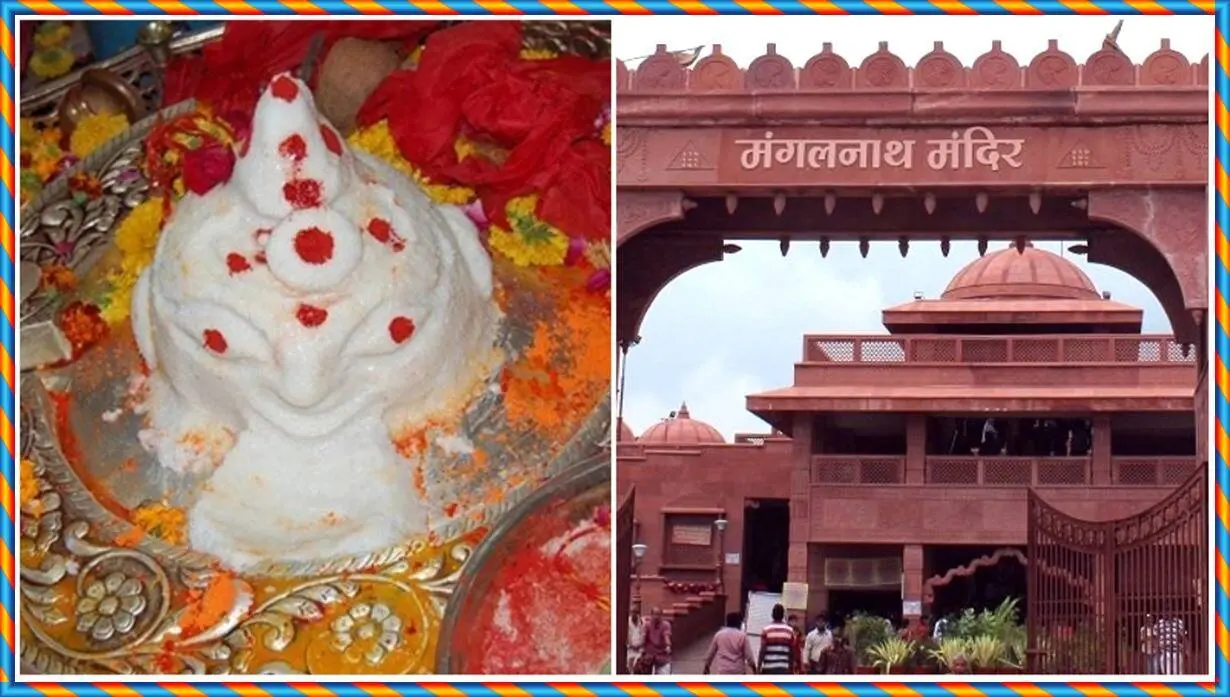
History of Mangalnath Temple
Mangalnath Temple is believed to be the birthplace of Mangal (Mars), one of the Navagraha in Hindu astrology. Devotees visit this sacred place seeking blessings for relief from Manglik Dosha and challenges influenced by Mars.
The temple holds deep spiritual importance for those facing obstacles in marriage, career and personal life due to planetary influence.
Role of Lord Mangal in Astrology
Mars represents energy, courage, discipline and strength in Vedic astrology. Worshipping Lord Mangal is believed to stabilize life and reduce negative planetary effects.
Devotees pray here to gain confidence, success and protection from harmful influences.
Architecture and Spiritual Atmosphere
The temple features traditional Hindu architecture with a serene courtyard for rituals and prayers. The idol of Lord Mangal symbolizes strength and vitality and is worshipped with offerings and mantras.
Remedy for Manglik Dosha
Many people visit Mangalnath Temple specifically to reduce Manglik Dosha. Special rituals performed on Tuesdays are believed to bring harmony in relationships and marriage.
Rituals and Practices
Devotees offer red flowers, chant the Mangal Beej Mantra and perform pujas guided by priests. Fasting and charity are also common practices to please the deity.
Festivals and Celebrations
Tuesdays and Makar Sankranti are important occasions when devotees gather in large numbers for special prayers and rituals seeking prosperity and protection.
Nearby Attractions
Pilgrims often visit Mahakaleshwar Temple and Kaliadeh Palace along with Mangalnath Temple as part of the Ujjain pilgrimage circuit.
Conclusion
Mangalnath Temple remains an important spiritual and astrological center where devotees seek strength, guidance and relief from planetary challenges.